Two-day ICMR-SHINE 2026 concludes, igniting scientific curiosity across thousands of young minds
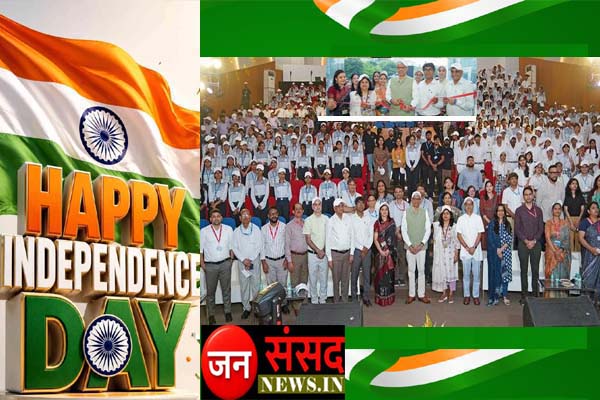
The Department of Health Research – Indian Council of Medical Research (DHR-ICMR) successfully concluded the second edition of ICMR-SHINE (Science & Health Innovation for the Nextgen Explorers) on 11–12 August 2026, bringing the world of biomedical and public health research closer to school students across the country. Taking forward the Prime Minister’s call to “spend a day as a scientist,” the nationwide outreach program opened the doors of ICMR laboratories to students of Classes 9 to 12, giving them an opportunity to see, experience, and interact directly with the science behind public health.
The initiative spanned 31 States and Union Territories across 83 unique locations, stretching far beyond major metropolitan centers into the quiet valleys and remote terrains of Jammu & Kashmir, Himachal Pradesh, Arunachal Pradesh, Assam, Andamans and rural regions of Jharkand, Odisha and Madhya Pradesh. For thousands of students who had never experienced research environment, ICMR-SHINE offered a welcoming bridge into the world of biomedical inquiry. Guided by Dr Curio, the friendly official mascot featured across interactive videos, posters, and cut-outs, the atmosphere was designed to make complex science feel inviting, accessible, and fun.
In Nagpur and Gorakhpur, students stepped near state-of-the-art Mobile BSL-3 laboratories on wheels, witnessing firsthand how high-containment research travels directly to field situations. In other centers, young visitors took part in lively poster walks, live scientific demonstrations, and practical exercises on body mass index calculation and lab hygiene, learning how everyday health decisions connect to the broader picture of national public health.
In Delhi, the spirit of youth innovation was on full display as students showcased creative solutions developed through Atal Tinkering Labs under NITI Aayog, proving that great scientific ideas have no age limit. (UPDATED ON 13TH AUGUST 2026)